+977 9712095436


Best Time to Visit Nepal: A Complete Seasonal Travel Guide
Nepal is a year-round destination, but the best time to visit depends on what you want to experience. Trekking in the Himalayas, exploring ancient heritage sites, enjoying a wildlife safari, going on a pilgrimage and travelling with family all require slightly different planning.
In general, spring from March to May and autumn from September to November are considered the best seasons to visit Nepal. These months usually offer favourable weather, beautiful mountain views and excellent conditions for outdoor activities. However, winter and monsoon also provide unique travel experiences for visitors who choose the right destinations.
This complete seasonal guide will help you decide the best time for your Nepal trip.
Spring in Nepal: March to May
Spring is one of Nepal’s most popular travel seasons. The temperatures gradually become warmer, the hills turn green and rhododendrons bloom across the trekking trails.
Why Visit Nepal in Spring?
- Pleasant temperatures in Kathmandu, Pokhara and other lower regions
- Colourful rhododendron forests
- Good Himalayan visibility, particularly in the mornings
- Excellent conditions for trekking and mountaineering
- Longer daylight hours for sightseeing and outdoor activities
Spring is especially beautiful in the Annapurna region, where forests around Ghorepani, Poon Hill and Annapurna Base Camp become filled with blooming rhododendrons.
Popular treks such as Everest Base Camp, Annapurna Base Camp, Mardi Himal, Langtang Valley and Manaslu Circuit are commonly undertaken during this season.
The weather can occasionally become cloudy later in the day, so starting treks and mountain flights early in the morning is generally recommended.
Best For
Trekking, mountain expeditions, photography, cultural tours, family holidays and adventure activities.
Summer and Monsoon in Nepal: June to August
Nepal receives most of its annual rainfall during the summer monsoon. The countryside becomes green and beautiful, but heavy rain can sometimes cause flight disruption, poor road conditions, landslides and slippery trekking trails.
This does not mean that travellers should completely avoid Nepal during the monsoon. Kathmandu, Pokhara, Chitwan, Lumbini and other cultural destinations can still be visited with a flexible itinerary.
Some Himalayan regions, including Upper Mustang and parts of Manang and Dolpo, lie in the rain shadow. These areas receive considerably less rainfall and can be suitable for trekking during the monsoon.
Advantages of Monsoon Travel
- Green landscapes, flowing waterfalls and fresh countryside
- Fewer visitors at major attractions
- Quieter hotels and trekking routes
- A good season for cultural experiences and photography
- Suitable conditions for visiting rain-shadow regions such as Upper Mustang
Travellers visiting during this season should include additional time in their itinerary in case weather affects road journeys or domestic flights.
Best For
Upper Mustang and rain-shadow treks, cultural tours, spiritual journeys, quieter holidays and travellers with flexible schedules.
Autumn in Nepal: September to November
Autumn is widely regarded as the best overall season to visit Nepal. The monsoon rain clears dust and pollution from the atmosphere, creating fresh landscapes and excellent mountain visibility.
October and November are particularly popular for Himalayan trekking. The days are generally comfortable, the trails are active and the mountain views are often at their finest.
Autumn is also an important cultural season in Nepal. Major festivals such as Dashain and Tihar usually take place during this period, although their exact dates change according to the lunar calendar.
Why Visit Nepal in Autumn?
- Clear Himalayan views
- Comfortable trekking temperatures
- Generally stable weather
- Excellent conditions for sightseeing and photography
- Opportunities to experience important Nepalese festivals
- A lively atmosphere along popular trekking routes
Because this is Nepal’s busiest tourism season, visitors should reserve popular treks, hotels, guides and domestic flights well in advance.
Best For
Everest Base Camp, Annapurna Base Camp, trekking, family tours, cultural holidays, wildlife trips, photography and first-time visitors.
Winter in Nepal: December to February
Winter brings cold mornings and evenings, especially in the mountains. However, lower-altitude destinations often have sunny days and clear skies.
Kathmandu, Pokhara, Chitwan and Lumbini can be enjoyable during winter. Shorter, lower-altitude treks such as Ghorepani Poon Hill and selected routes around the Kathmandu Valley may also be possible with suitable clothing and proper planning.
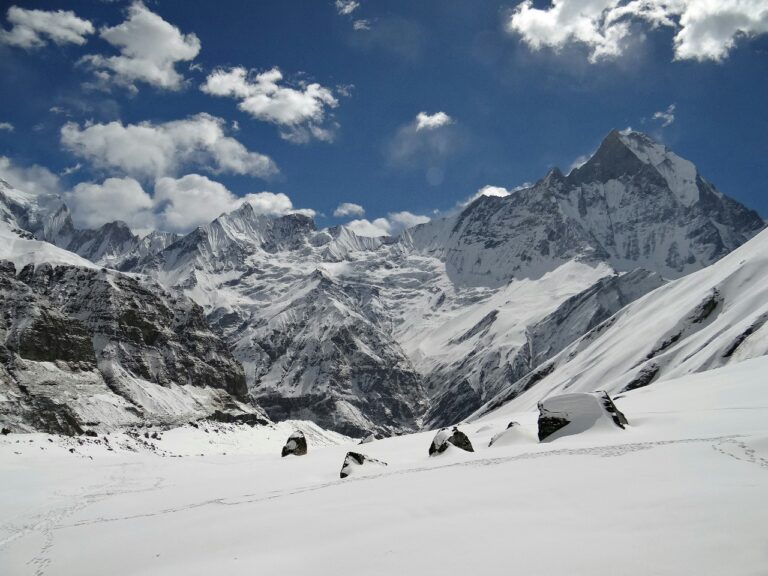
High-altitude trekking is more challenging during winter. Snow may affect mountain passes and some lodges can operate with limited services. The days are also shorter, and temperatures can fall well below freezing at higher elevations.
Advantages of Winter Travel
- Fewer visitors on many routes
- Clear mountain views on suitable days
- Peaceful cultural attractions
- Comfortable daytime sightseeing in lower regions
- Good wildlife-viewing opportunities in the southern plains
Winter travellers should choose itineraries according to altitude, current trail conditions and weather forecasts.
Best For
Kathmandu and Pokhara tours, Chitwan safaris, Lumbini visits, cultural travel, photography and selected low-altitude treks.
Best Time for Trekking in Nepal
For most of Nepal’s popular trekking routes, the most favourable periods are:
– March to May: Warmer spring weather and blooming rhododendrons
– Late September to November: Clear post-monsoon skies and stable trekking conditions
Everest Base Camp, Annapurna Base Camp, Langtang Valley and Manaslu are especially popular during these periods.
December and February can be suitable for some treks, but travellers must be prepared for colder conditions. January is usually one of the coldest months at high altitude.
Monsoon trekking is better suited to rain-shadow regions such as Upper Mustang, where the landscape and climate differ significantly from the southern Himalayan slopes.
Best Time for Family Tours
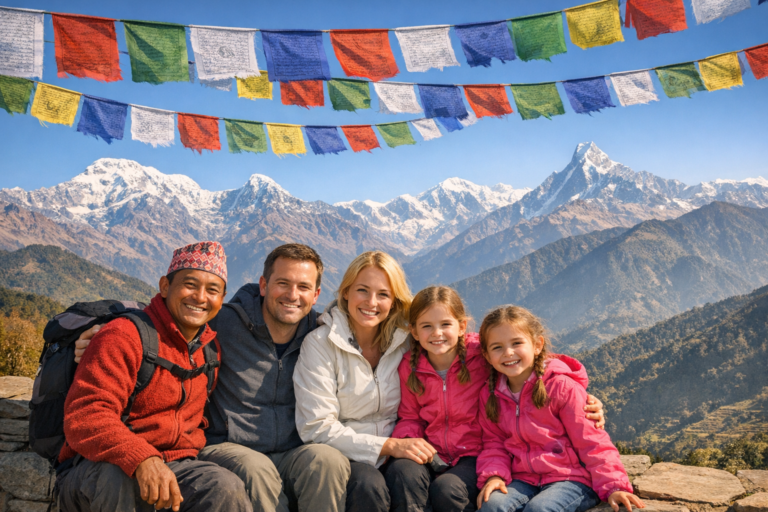
Families generally find spring and autumn the most comfortable seasons for visiting Nepal. These months are suitable for combining Kathmandu, Pokhara and Chitwan without facing the heaviest monsoon rain or the coldest winter conditions.
October, November, March and April are particularly attractive for family holidays. However, winter can also be a good choice for families planning cultural sightseeing and wildlife experiences rather than high-altitude trekking.
Best Time for Visitors from India
Indian travellers can visit Nepal throughout the year, depending on their itinerary.
Spring and autumn are ideal for sightseeing, mountain views and adventure activities. Summer can be suitable for shorter religious or cultural trips, although road conditions should be monitored during heavy rain.
Pilgrimage journeys to destinations such as Muktinath require careful seasonal planning. Winter snow and monsoon-related road or flight disruption can affect access, so current local conditions should always be checked before travelling.
Best Time for Kathmandu, Pokhara and Chitwan
Kathmandu
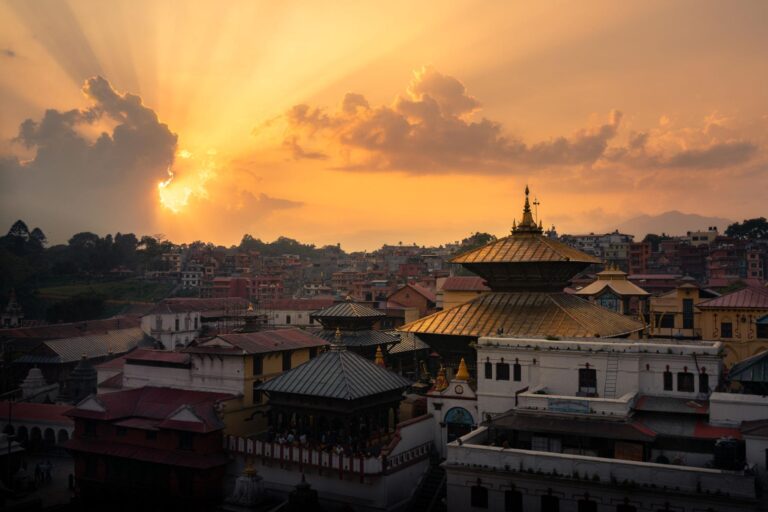
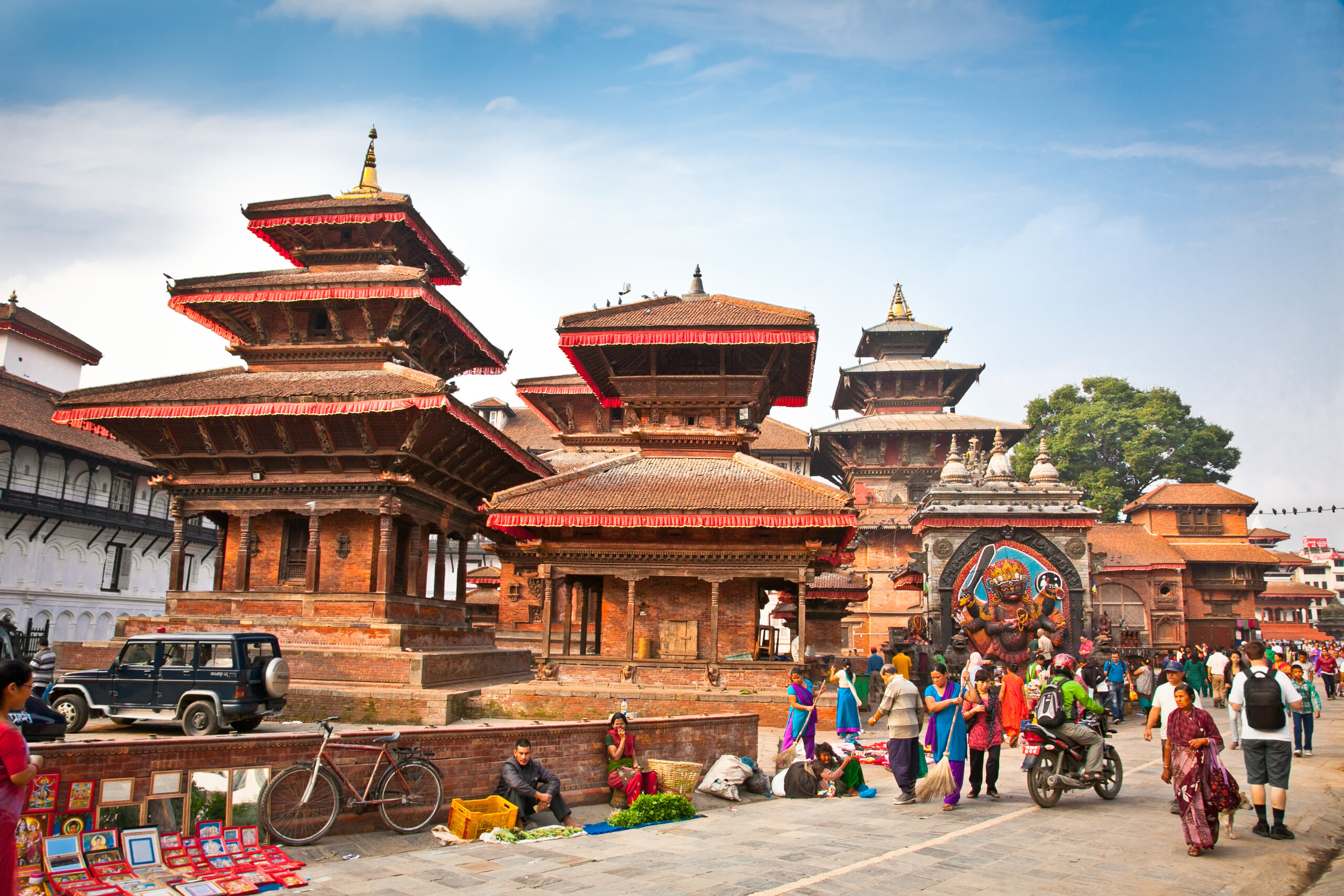
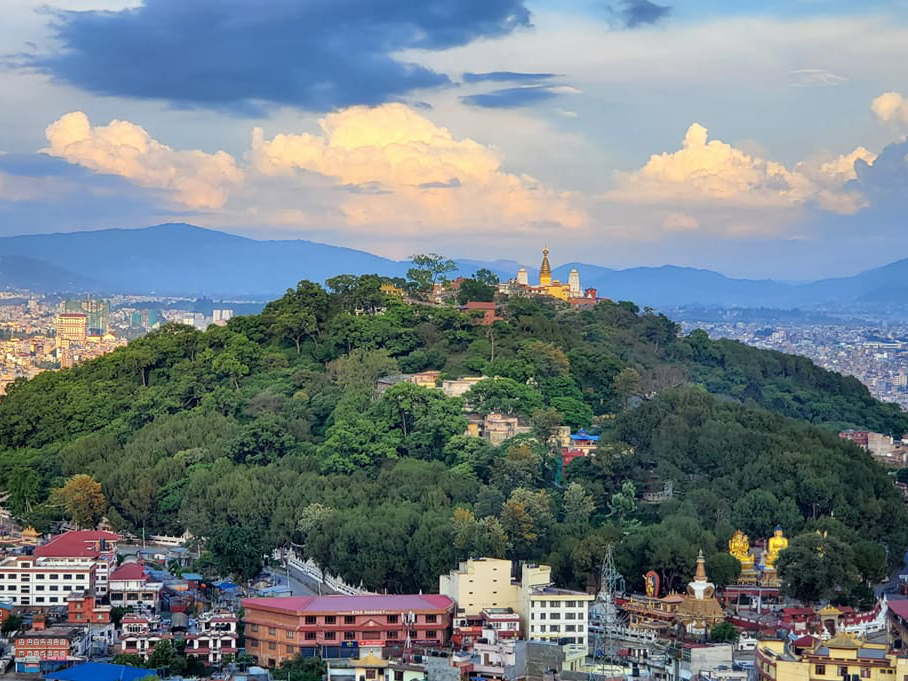
Kathmandu can be visited throughout the year. October to April generally offers comfortable conditions for heritage tours, temple visits and sightseeing.
Pokhara
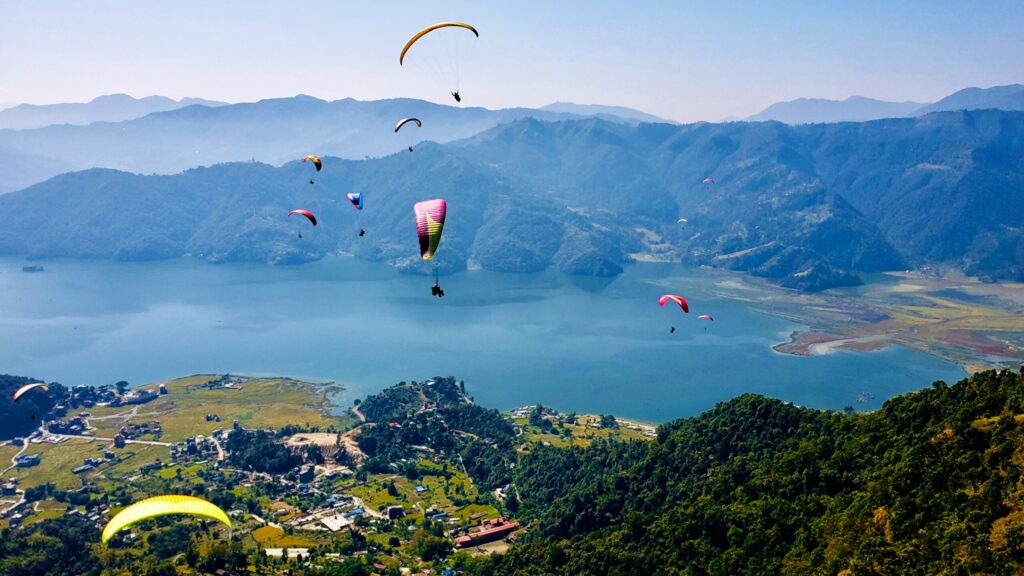
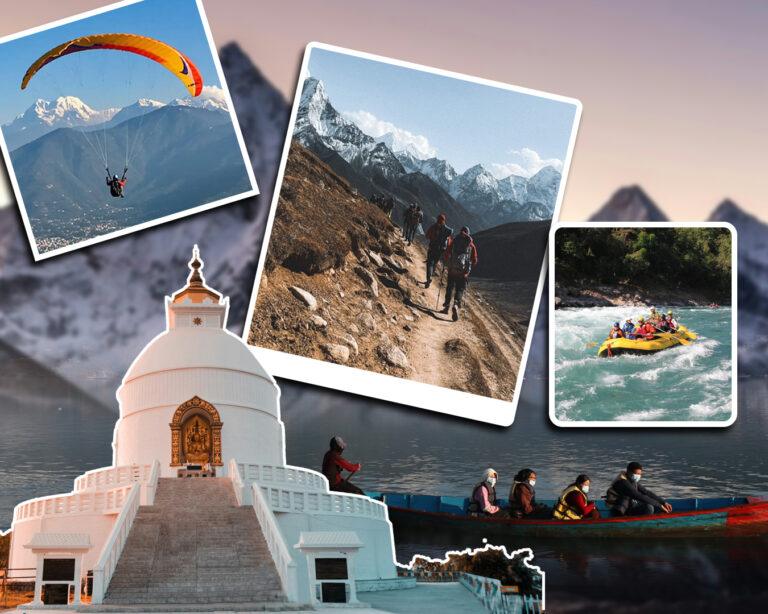
October to November and March to April are excellent for mountain views, boating, sightseeing and outdoor activities. Pokhara receives substantial rainfall during the monsoon, so itineraries should remain flexible from June to August.
Chitwan
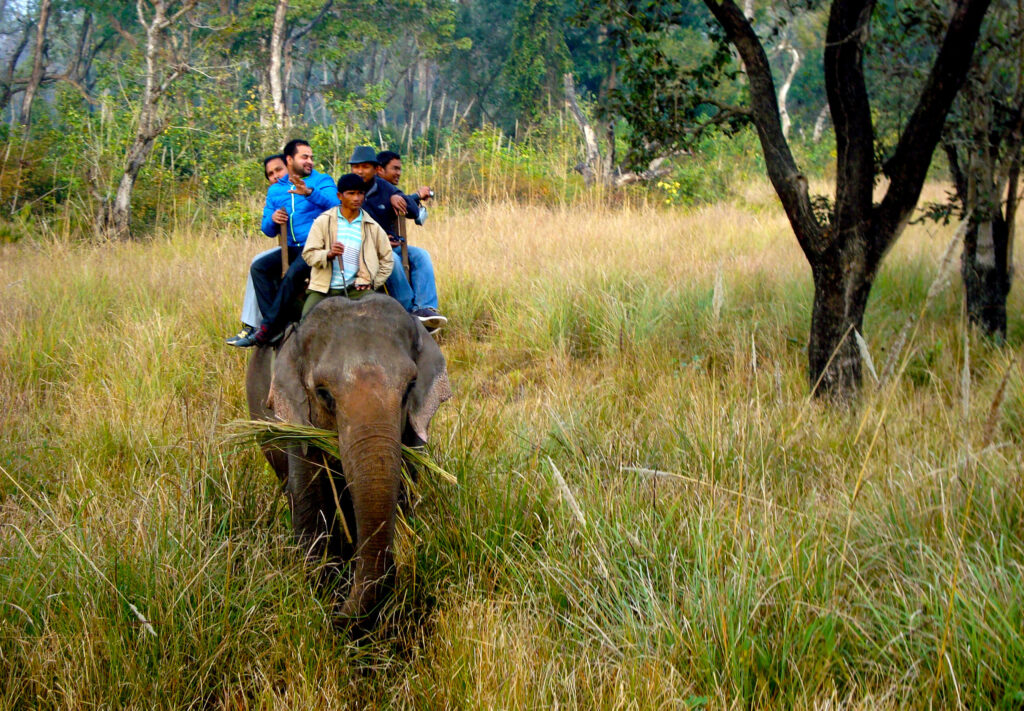
October to March is generally comfortable for wildlife activities and jungle experiences. April and May can be hot, while the monsoon brings humidity and heavy rain.
Which Season Should You Choose?
Choose spring if you want colourful landscapes, pleasant temperatures and excellent trekking conditions.
Choose autumn if clear mountain views, stable weather and classic Himalayan trekking are your main priorities.
Choose winter if you prefer quieter destinations, cultural sightseeing, wildlife experiences or selected lower-altitude treks.
Choose monsoon if you want green landscapes, fewer tourists, cultural travel or an adventure in rain-shadow regions such as Upper Mustang.
Plan Your Nepal Journey with Local Experts
Nepal’s geography changes dramatically between the southern plains, central hills and high Himalayas. Weather conditions can therefore vary considerably between destinations during the same month.
Mountain Guru Adventure Treks creates trekking, cultural, family, pilgrimage and adventure itineraries based on the season, destination and interests of each traveller. Our local team can help you select a suitable route, arrange experienced guides and manage the essential travel services required for your journey.
Contact Mountain Guru Adventure Treks to begin planning your Nepal experience.
Phone/WhatsApp: +977 9712095436