+977 9712095436



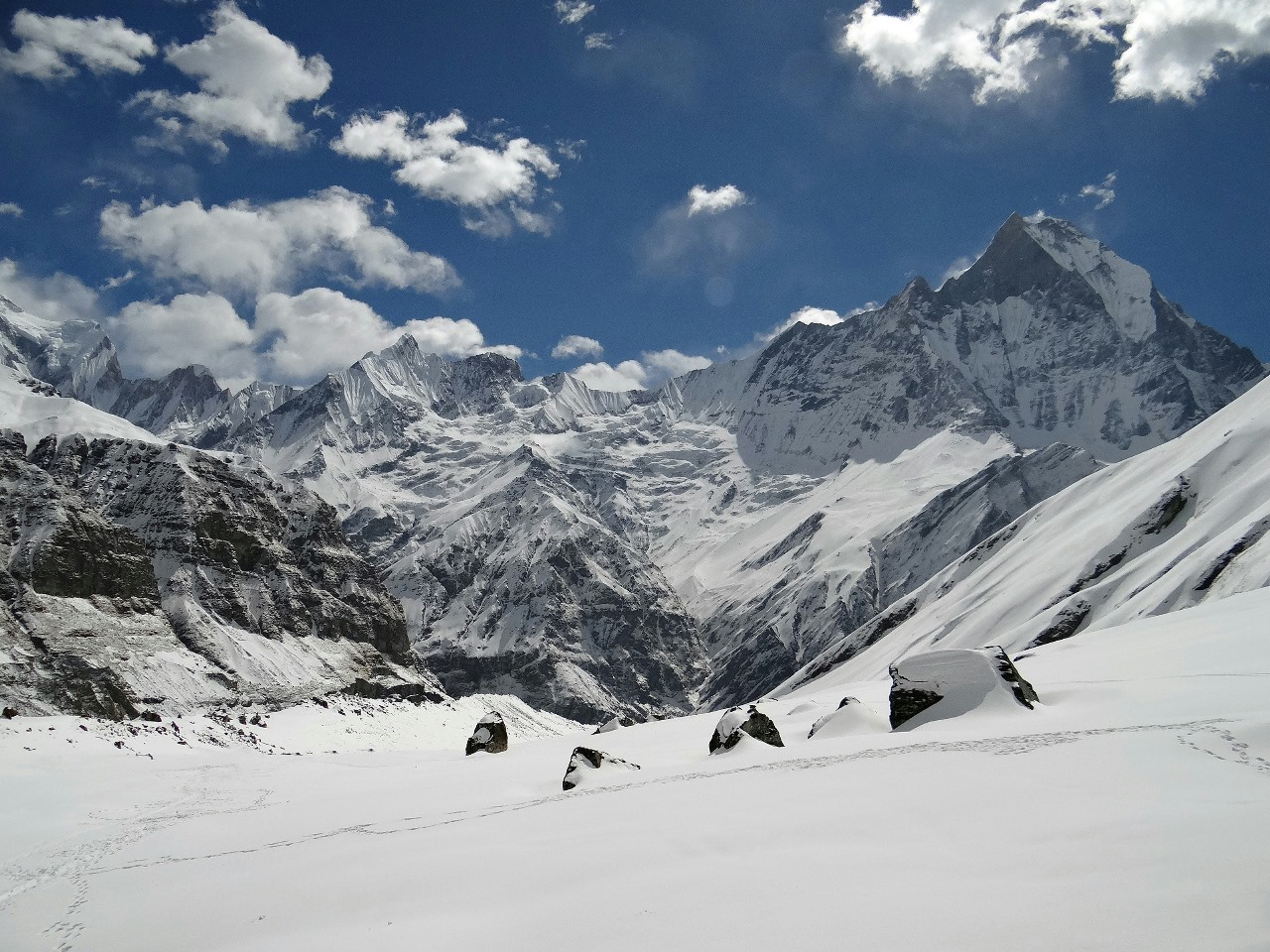
Travel Tips for the Annapurna Base Camp Trek
The Annapurna Base Camp (ABC) Trek is one of Nepal’s most iconic Himalayan adventures, attracting trekkers from around the world. From breathtaking mountain scenery and charming Gurung villages to lush rhododendron forests and high-altitude landscapes, the trek offers an unforgettable experience for both beginners and experienced hikers.
Proper planning is essential to make your journey safe, comfortable, and enjoyable. This guide covers everything you need to know before starting your Annapurna Base Camp Trek, including travel logistics, permits, packing tips, health and safety advice, budgeting, and cultural etiquette.
Why Choose the Annapurna Base Camp Trek?
The Annapurna Base Camp Trek offers an incredible combination of natural beauty, cultural experiences, and accessible trekking routes.
Highlights include:
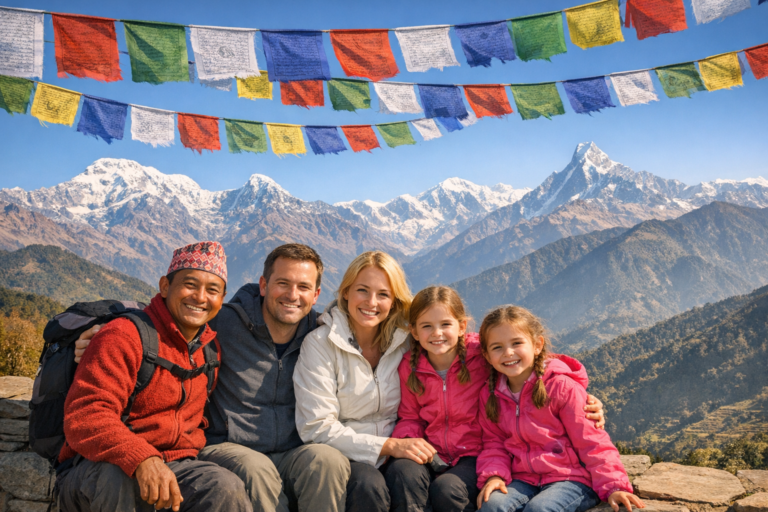
- Spectacular views of Annapurna I (8,091m), Machhapuchhre (Fishtail), Hiunchuli, and other Himalayan peaks.
- Beautiful landscapes ranging from terraced farmlands and rhododendron forests to alpine meadows and glaciers.
- Authentic experiences in traditional Gurung and Magar villages.
- Comfortable tea houses throughout the route.
- A rewarding trekking experience that can typically be completed within 7–12 days.
Travel & Trekking Logistics
Getting to Nepal
Most international travelers arrive at Tribhuvan International Airport (Kathmandu), Nepal’s main international gateway. Numerous airlines operate regular flights from major cities across Asia, Europe, the Middle East, and beyond.
Reaching the Trek Starting Point
From Kathmandu, you can travel to Pokhara by:
- Domestic flight (approximately 25–30 minutes)
- Tourist bus (6–8 hours)
- Private vehicle
From Pokhara, you’ll continue by road to the trailhead before beginning the trek.
Permits Required
To trek to Annapurna Base Camp, you’ll need:
- Annapurna Conservation Area Permit (ACAP)
- TIMS (Trekkers’ Information Management System) or any updated trekking registration required by Nepal Tourism authorities.
Your trekking agency can arrange these permits before the trek begins.
Travel Insurance
Travel insurance is strongly recommended for every trekker.
Choose a policy that includes:
- High-altitude trekking coverage (above 4,000m)
- Emergency helicopter evacuation
- Medical treatment and hospitalization
- Trip cancellation or interruption
- Lost or delayed baggage
Always read the policy carefully and confirm the maximum altitude covered before purchasing.
Money & Payments
Cash is Essential
Although ATMs are available in Kathmandu and Pokhara, there are no reliable banking facilities once you’re on the trekking route.
Carry enough Nepalese Rupees to cover:
- Meals
- Drinks
- Charging devices
- Hot showers
- Wi-Fi
- Tips for guides and porters
- Personal expenses
Small denominations are particularly useful.
Budget Tips
- Withdraw sufficient cash before leaving Pokhara.
- Rent trekking gear in Kathmandu or Pokhara if you don’t own it.
- Book your trek during the shoulder seasons for better prices.
- Travel with a local trekking company for better value and personalized service.
Packing & Gear Checklist
Weather in the Himalayas can change rapidly, so packing the right gear is essential.
Clothing
- Moisture-wicking base layers
- Fleece jacket
- Waterproof jacket
- Down jacket
- Trekking pants
- Thermal wear
- Warm hat and gloves
- Hiking socks
Footwear
- Waterproof trekking boots
- Comfortable sandals or camp shoes
Equipment
- 40–50L backpack with rain cover
- Trekking poles
- Sunglasses
- Headlamp
- Water bottles or hydration bladder
- Power bank
- Personal first-aid kit
- Sunscreen and lip balm
Heavy gear such as sleeping bags and down jackets can easily be rented in Kathmandu or Pokhara.
Health & Safety Tips
Acclimatize Properly
Although the Annapurna Base Camp Trek is considered moderate, altitude sickness can still affect trekkers.
To reduce the risk:
- Walk at a steady pace.
- Stay hydrated.
- Avoid alcohol during the trek.
- Listen to your guide.
- Descend immediately if symptoms become severe.
Trek with Experienced Guides
Hiring a licensed guide not only enhances your experience but also improves safety, navigation, and local cultural understanding. Guides can respond quickly in emergencies and assist with logistics throughout the trek.
Respect Local Culture
The Annapurna region is home to welcoming mountain communities with rich traditions.
Remember to:
- Dress modestly in villages and religious sites.
- Ask permission before photographing people.
- Remove shoes before entering monasteries or homes.
- Respect local customs and traditions.
- Learn simple Nepali greetings such as “Namaste.”
Being respectful creates meaningful interactions with local communities.
Best Time for the Annapurna Base Camp Trek
The best trekking seasons are:
Spring (March–May)
- Blooming rhododendron forests
- Pleasant temperatures
- Excellent mountain views
Autumn (September–November)
- Clear skies
- Stable weather
- Outstanding visibility
- Ideal trekking conditions
Winter trekking is possible with proper preparation, while the monsoon season (June–August) brings heavy rainfall and slippery trails.
Plan Your Adventure with Mountain Guru Adventure Treks
A successful Annapurna Base Camp Trek begins with careful planning and the support of an experienced local team. From permits and transportation to professional guides and personalized itineraries, every detail contributes to a memorable Himalayan adventure.
Mountain Guru Adventure Treks, a trusted Nepal-based trekking company, is dedicated to providing safe, authentic, and unforgettable trekking experiences throughout the Himalayas. Whether you’re trekking for the first time or returning to explore more of Nepal, our experienced team is here to help you every step of the way.
Contact Mountain Guru Adventure Treks today and start planning your journey to Annapurna Base Camp.
FAQs
Do I need travel insurance for the Annapurna Base Camp Trek?
Yes. Your insurance should include high-altitude trekking, emergency helicopter evacuation, and medical coverage above 4,000 meters.
What is the best time to trek to Annapurna Base Camp?
The best seasons are spring (March–May) and autumn (September–November), offering stable weather, clear skies, and excellent mountain views.
Is the Annapurna Base Camp Trek suitable for beginners?
Yes. The trek is suitable for beginners with a reasonable level of fitness. Trekking with a licensed guide is recommended for safety and a better overall experience.
How long does the Annapurna Base Camp Trek take?
Most itineraries take 7–12 days, depending on the chosen route, pace, and acclimatization schedule.
What permits are required for the trek?
Trekkers generally need an Annapurna Conservation Area Permit (ACAP) and the applicable trekking registration required by Nepal Tourism authorities.
Can I rent trekking equipment in Nepal?
Yes. Kathmandu and Pokhara have many shops offering quality rental equipment, including sleeping bags, down jackets, trekking poles, and other essential gear.
Do I need to carry cash during the trek?
Yes. ATMs are only available in larger cities such as Kathmandu and Pokhara. Carry enough Nepalese Rupees for accommodation, meals, snacks, charging devices, Wi-Fi, and other personal expenses during the trek.